
Regimental History Centre
The Regimental History Centre (RHC) was set up in 2001 to support the 2nd Battalion (Canterbury, Nelson, Marlborough, West Coast) Royal New Zealand Infantry Regiment.
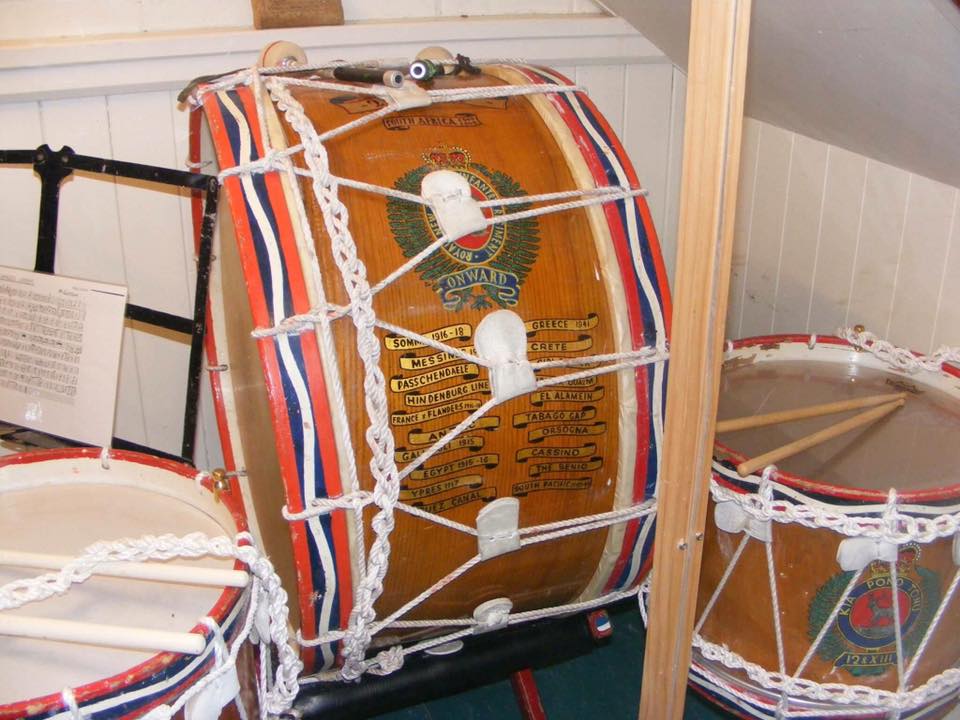
The RHC includes resource material and displays for use by interested New Zealanders. Exhibitions include the Gallipoli Drum, which was taken ashore with the troops and filled with shell dressings, and contains names of people involved in the campaign, and a diorama of double Victoria Cross winner Charles Upham, along with a Heroes Wall of members of the battalions who have won VCs.
The RHC is staffed entirely by volunteers.
Opening Hours
9.30am - 2.30pm, 2nd and 4th Monday of each month
*excluding public holidays
Role
To provide a research base for the military history/heritage of the citizen soldiers of the South Island army units.
Objectives
- Focus on professionally-constructed educational and limited displays of historical military material.
- Provision of a secure archival base for items of historical military interest
- Focus on historical material relating to the citizen soldiers from all South
- Island units, but particularly 2/4 Battalion RNZIR, on behalf of the public of NZ.
- Maximising thought-provoking displays which are attractive to youth and interested adults.
- Organising on-going funding for the maintenance and operation of the facility.
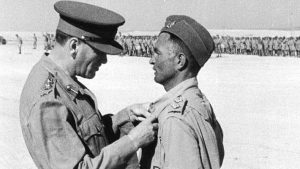
Charles Hazlitt Upham is probably New Zealand's most famous soldier. He became one of only three people ever to win the Victoria Cross twice for his actions in Crete in 1941 and Egypt in 1942. He is the only person to have achieved this as a combat soldier.
Born in Christchurch in 1908, Upham joined the 2nd NZ Expeditionary Force soon after war broke out in September 1939. He came to symbolise what many saw as the essential qualities of ‘the typical New Zealand soldier’. He developed these qualities as a musterer in the Canterbury high country, where men had ‘to match the ruggedness of nature with their own ruggedness of physique and temperament’.
Upham earned the VC for outstanding gallantry and leadership in Crete in May 1941, and his Bar at Ruweisat Ridge, Egypt, in July 1942. After being severely wounded in the latter engagement, Upham was captured by the Germans. After a failed escape attempt while recuperating in an Italian hospital, he was transferred to Germany in September 1943. A particularly audacious solo attempt to scale his camp's barbed-wire fences in broad daylight saw Upham become the only New Zealand combatant officer sent to the infamous Colditz camp for habitual escapers in 1944.
Upham was fiercely loyal to his comrades and shunned the limelight. When informed of his first VC he was genuinely distressed at being singled out. He believed that others deserved it more than he did. Only by seeing it as recognition of the bravery and service of his unit could Upham accept the award and the unwanted attention that went with it. Upham was presented with his first VC at Buckingham Palace on 11 May 1945.
After the war Upham returned to farming life in Canterbury, where he died in 1994. Modest and selfless, but extremely tough and single-minded, Upham came to symbolise the steely determination and professionalism of the New Zealand Division in the Second World War.